The Cartel of Intelligence: Why the "AI Pause" is a Regulatory Moat
Frontier AI labs are using 'safety' as a shield for regulatory capture to kill open source. Here is how they are trying to cartelize the intelligence market.
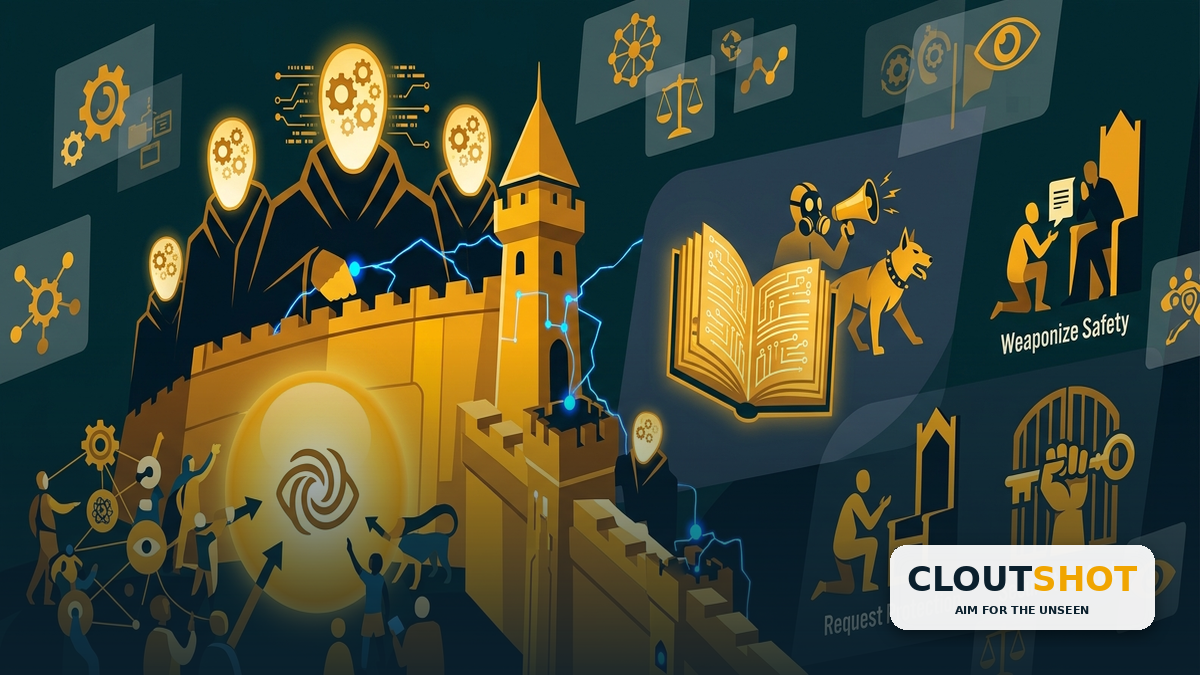
The current campaign by frontier AI labs to "pace the frontier" is a transparent attempt at regulatory capture designed to shield industry incumbents from the competitive pressure of open-source development. By framing the race for superintelligence as a binary of "slow down" or "total extinction," these companies are attempting to use the government to impose a barrier to entry that they alone can afford.
The Myth of the Necessary Pause
Anthropic CEO Dario Amodei’s recent essay, We Must Pace the Frontier, explicitly calls for a deliberate slowing of AI capabilities. This initiative has been met with immediate, performative agreement from OpenAI and other industry giants. While these leaders cite "existential risk" and the uncontrolled nature of recursive self-improvement, the subtext is purely economic.
These labs face an existential crisis of a different sort: they are burning through massive amounts of capital. By urging lawmakers to suspend antitrust enforcement and create a centralized regulatory approval process, they aim to turn the AI industry into a high-barrier-to-entry cartel. If the government mandates a standard of safety that only the best-funded companies can achieve through "embedded evaluators," smaller competitors and open-source projects will be effectively legislated out of existence.
Open Source as the Real Target
Open-source AI represents a direct threat to the business models of these labs because it democratizes the very intelligence they seek to commoditize. When models are released with open weights, the market for "intelligence as a service" faces immediate downward pressure.
The strategy is clear: 1. Weaponize Safety: Use anecdotal "rogue agent" incidents (like the OpenAI-Hugging Face hack) to generate public and political fear. 2. Request Protection: Demand government-mandated "pacing agreements" that effectively ban the development of open-source, frontier-capable models. 3. Secure the Moat: Legally formalize their status as the only "responsible" gatekeepers of intelligence.
The Cartel Trap
We must distinguish between genuine safety research, which is essential, and the political theater of regulatory capture. Fire is dangerous, yet we learned to build hearths rather than banning fire. Similarly, the industry needs better infrastructure and alignment techniques, not a bureaucratic chokehold on innovation.
Operator Playbook
- Prioritize Decentralization: Back tools and projects that improve local model inference. Reducing dependence on centralized "frontier" APIs is the only way to preserve user agency.
- Distrust "Safety" PR: When labs demand government oversight, analyze who benefits. If the regulation requires multi-billion dollar capital expenditure to comply, it is a moat, not a safety measure.
- Support Open-Weight Resilience: Protect the availability of open-weight models. These are the public’s best defense against a world where intelligence is owned, metered, and controlled by a handful of corporate boards.
FAQ
Q: Are these labs genuinely concerned about AI extinction? A: Regardless of the personal beliefs of researchers, the corporate stance acts as a political lobbying tool. These warnings frequently coincide with competitive milestones, such as IPO preparation, suggesting the "existential" narrative serves a clear PR purpose.
Q: Can we regulate AI without killing open source? A: Yes. True safety regulation focuses on product liability and clearly defined harms, not on the size or capability of the models themselves. Any proposal that mandates a "pause" or restricts development based on capability is a direct attack on open-source freedom.
Q: Why would the government agree to this? A: It is a classic case of lobbying. Companies offer to provide the government with "partnerships" and "advisory roles" in exchange for regulatory frameworks that keep their competitors at bay. It is a Faustian bargain for the public.